BMW
 CHEVROLET
 FIAT
 FORD
 HONDA
 ATE
 Bilstein
 BMC
 Brake Kraft
 Brembo
 Burger Motorsports
 Code 6 Racing Exhaust
 dba
 DINAN
 Dixcel
 EBC
 Eibach
 Full Maintenance Kits
 Futurz4x4
 Garrett
 Gecko
 IRONMAN
 JCBL
 K&N
 KSM
 KYB
 Mastery of Art & Design
 NanoSkin
 NGK
 Optima
 Pagid
 PRAD 4X4
 Red Rooster
 SM Arnold
 Swastik Fabs
 Tein
 Varta
 APRILIA
 AUDI
 BAJAJ
 BENELLI
 BMW MOTORRAD
 DUCATI
 Force Motors
 HARLEY-DAVIDSON
 HUSQVARNA
 HYOSUNG
 HYUNDAI
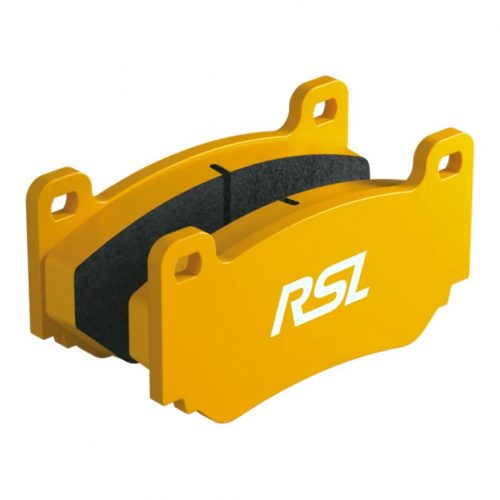
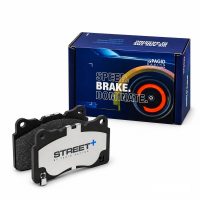
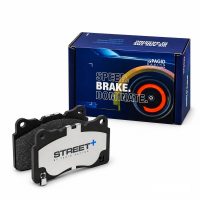
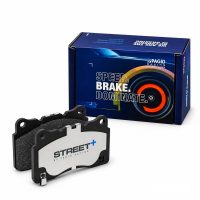
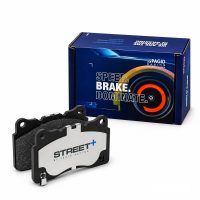
Pagid Racing Front Brake Pads for AUDI / Lamborghini R8 / Huracán (S4907C01001)
Description
Unleash race-proven deceleration and extreme thermal stability on your AUDI / Lamborghini R8 / Huracán with the Pagid Racing RSC1 Front Brake Pad Set (Part #S4907C01001). Specifically engineered by TMD Friction Motorsport for ceramic composite discs (CCM / PCCB), the RSC1 friction formulation provides superior disc compatibility, extended rotor service life, and an exceptional friction coefficient under the harshest circuit and track day conditions.
Key Performance Advantages: • Dedicated Ceramic Rotor Compatibility: Specially developed to protect and preserve expensive Carbon Ceramic Discs (CCM/PCCB) while resisting micro-chipping and disc wear. • High Friction Bite & Modulation: Delivers immediate pedal bite (μ = 0.45) with intuitive modulation across high-speed braking thresholds. • Low Thermal Conductivity: Advanced insulating backing barrier minimizes heat transfer into calipers and brake fluid, preventing vapor lock under prolonged track sessions. • Multi-Stage Heat Scorched: Factory pre-scorched for expedited bed-in times and immediate track readiness. • Factory Race Tolerances: Direct drop-in fitment engineered to original motorsport caliper tolerances.
Technical Specifications: • Brand / Manufacturer: Pagid Racing (TMD Friction Motorsport, Germany) • Part Number: S4907C01001 • Friction Compound: Pagid RSC1 (Ceramic Composite Matrix) • Optimal Temperature Window: 150°C to 800°C (302°F to 1472°F) • Friction Coefficient (μ): 0.45 Average • Axle Position: Front Axle (Left & Right Set) • Rotor Suitability: Carbon Ceramic Discs (CCM, PCCB) & High-Carbon Steel • Target Application: Supercar Track Days, Circuit Sprints & High-Performance Driving
Vehicle Fitment Advisory: This complete axle set includes 4 brake pads (left and right wheels). Cataloged specifically for AUDI / Lamborghini R8 / Huracán. Because brake calipers, disc diameters, and chassis packages vary by production year and performance trim, please verify your vehicle's chassis number or VIN prior to final installation.